محتويات
موضوع عن السيارات الكهربائية بالانجليزي
Electric Cars: A Sustainable Future
Introduction
Electric cars (EVs) have become a significant topic in the automotive industry due to their potential to reduce pollution and provide a more sustainable mode of transportation. As the world focuses on cleaner energy and reducing greenhouse gas emissions, electric vehicles are emerging as a viable solution for a greener future.
السيارات الكهربائية: مستقبل مستدام
المقدمة
أصبحت السيارات الكهربائية موضوعاً مهماً في صناعة السيارات نظراً لقدرتها على تقليل التلوث وتوفير وسيلة نقل أكثر استدامة. ومع تركيز العالم على الطاقة النظيفة وتقليل انبعاثات غازات الدفيئة، تظهر المركبات الكهربائية كحل قابل للتطبيق لمستقبل أكثر خضرة.
How Electric Cars Work
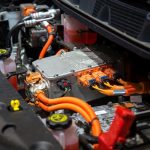
Electric cars run on electric motors powered by batteries, unlike traditional cars that rely on internal combustion engines fueled by gasoline or diesel. The battery in an electric vehicle stores energy, which powers the electric motor, resulting in zero tailpipe emissions. This makes electric cars a cleaner alternative, especially in urban areas with high levels of pollution.
كيف تعمل السيارات الكهربائية
تعمل السيارات الكهربائية بواسطة محركات كهربائية تعتمد على البطاريات، على عكس السيارات التقليدية التي تعتمد على محركات احتراق داخلي تعمل بالبنزين أو الديزل. تخزن البطارية في السيارة الكهربائية الطاقة، مما يُشغل المحرك الكهربائي، وبالتالي تكون هذه المركبات خالية من الانبعاثات الضارة. وهذا يجعل السيارات الكهربائية بديلاً أنظف، خاصةً في المناطق الحضرية ذات مستويات التلوث العالية.
Benefits of Electric Cars
Electric vehicles offer numerous advantages:
- Environmental Impact: They produce fewer emissions and help reduce air pollution.
- Lower Operating Costs: Electric cars generally cost less to operate and maintain.
- Quiet Operation: EVs are quieter, contributing to lower noise pollution.
- Energy Efficiency: Electric motors are more efficient than gasoline engines.
فوائد السيارات الكهربائية
تقدم السيارات الكهربائية العديد من المزايا:
- التأثير البيئي: تنتج انبعاثات أقل وتساعد على تقليل تلوث الهواء.
- تكاليف التشغيل المنخفضة: تكلف السيارات الكهربائية أقل من حيث التشغيل والصيانة.
- الهدوء في التشغيل: تكون هذه المركبات أقل ضجيجًا، مما يقلل من التلوث الضوضائي.
- الكفاءة الطاقية: تكون المحركات الكهربائية أكثر كفاءة من المحركات التي تعمل بالبنزين.
Challenges of Electric Cars
While electric cars are promising, they come with challenges:
- Limited Range: Most electric cars have a limited range compared to gasoline-powered cars.
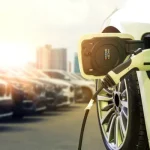
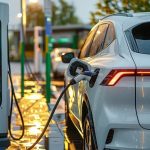
- Charging Infrastructure: Charging stations are still not as widespread, posing a convenience issue for long trips.
- Battery Cost and Lifespan: EV batteries are expensive to produce and have a finite lifespan.
تحديات السيارات الكهربائية
رغم أن السيارات الكهربائية واعدة، إلا أنها تأتي مع بعض التحديات:
- مدى محدود: تتمتع معظم السيارات الكهربائية بمدى أقل مقارنةً بالسيارات التي تعمل بالبنزين.
- البنية التحتية للشحن: لا تزال محطات الشحن غير منتشرة بشكل كبير، مما يحد من سهولة استخدامها للرحلات الطويلة.
- تكلفة وعمر البطارية: تكون بطاريات السيارات الكهربائية مكلفة في الإنتاج ولها عمر محدد.
Conclusion
Electric cars represent a significant step towards sustainable transportation, providing a cleaner, quieter, and more energy-efficient solution. With advancements in technology and infrastructure, electric vehicles will continue to evolve and contribute to a greener planet.
الخاتمة
تمثل السيارات الكهربائية خطوة كبيرة نحو نقل مستدام، حيث توفر حلاً أنظف وأكثر هدوءًا وكفاءة في استهلاك الطاقة. ومع التقدم في التكنولوجيا والبنية التحتية، ستواصل المركبات الكهربائية التطور والمساهمة في كوكب أكثر خضرة.